Many sectors depend on the strong and adaptable metal cobalt. One of the main uses of cobalt is through casting, a process that produces strong, long-lasting components for several uses. You have come to the perfect location if you have questions about cobalt casting, its operation, and where it is utilized.
We will go over all you need to know about cobalt casting, its alloys, the procedure specifics, and its major uses here.
Cobalt Casting: What Is It?
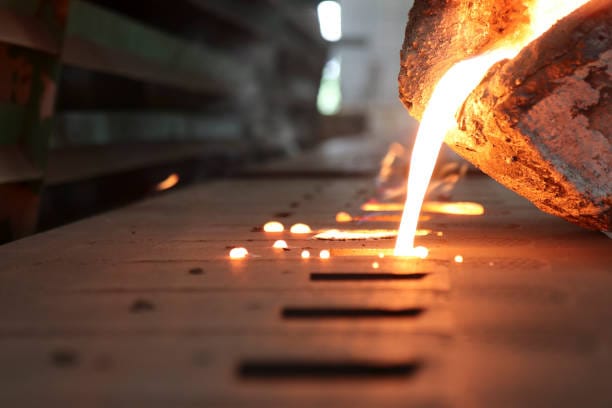
The manufacturing method of cobalt casting starts by pouring the alloys and cobalt in melted form into the molds. These products have several parts and forms. These parts are applicable to a lot of fields such as medicine, aviation, production, equipment, and more.
Casting lets producers create difficult or costly complex shapes that could be challenging or expensive to produce utilizing other techniques, such as machining or forging. Parts made from cobalt alloys may survive severe temperatures thanks to cobalt’s great strength and heat resistance; this makes cobalt casting quite advantageous.
Why Should Cobalt Be Used in Casting?
Several qualities make cobalt perfect for casting:
- Cobalt alloys offer abrasion resistance along with durability.
- Within harsh temperatures, cobalt can survive easily without melting.
- It is good for severe conditions since it resists both corrosion and oxidation.
- Cobalt is magnetic, which is beneficial in some contexts.
- Because cobalt-based alloys are biocompatible with the human body, they are appropriate for medical implants.
- Cobalt alloys are ideal for casting components that must withstand harsh conditions because of all these qualities.
To purchase affordable cobalt, cheap bulk cobalt distributor is available to assist your business.
Cobalt Alloys Applied in Casting
Cobalt is sometimes mixed with other metals to enhance its characteristics rather than only coming in one type. Alloys are created from these combinations. Among the often-employed cobalt alloys in casting are:
- Cobalt-chromium (CoCr) is applicable for making dental prostheses, orthopedic implants, and surgical equipment.
- Excellent strength and magnetic characteristics define cobalt-nickel (Co-Ni). Turbines, magnets, and electronic components all make use of it.
- Stellite, a cobalt-based substance, comprises several other elements like chromium, carbon, and tungsten. Moreover, stellite is naturally very strong, abrasive, and resistant. That is why it works well with valving seats, cutting equipment, and bearing surfaces.
- Excellent strength at high temperatures makes cobalt-aluminum (Co-Al) perfect for uses where the component faces a lot of heat, as in gas turbines.
- Each alloy is chosen based on the specific needs of the application, and they can then be melted and poured into molds to create the components.
Step-by-Step Cobalt Casting Process
High-quality components from cobalt casting call for great care taken through several processes. A brief process summary:
1. Design and Mold Preparation
First, the shape of the part is created. Next, a mold is fashioned from this pattern. Depending on the size and complexity of the component, molds can be built from a variety of materials, including metal, sand, ceramic, or other substances.
2. Melting the alloy of Cobalt
The cobalt alloy is next melted in a furnace. Specialized equipment is used to attain temperatures over 1300°C (about 2400°F) since cobalt alloys have great melting points.
3. Pouring the Molten Metal
Once melted, the cobalt alloy is precisely poured into the ready mold. Accuracy is necessary in this phase to prevent blemishes or air bubbles.
4. Cooling and Solidification
The metal is left to cool and solidify within the mold after pouring. Cooling rates vary with casting size and shape.
5. Taking the Casting Away
The mold is taken away or broken away once cooled to expose the rough casting. Sometimes, the casting requires more cleaning or finishing to get rid of extra material or surface flaws.
6. Heat Treating and Finalization
Finally, the cast part may undergo heat treatment to improve its qualities. Additional procedures like machining, polishing, or coating can also be done to get the desired final form and surface quality.
Varieties of Cobalt Casting Methods
Cobalt alloys can be manufactured using several casting techniques. Among some of the usual methods are:
- Using sand molds, this approach works well for big or complicated forms. Though it could need finishing work, it is affordable and adaptable.
- Lost-wax casting, also known as investment casting, results in very accurate and smooth components. Often found in jewelry, medical implants, and aerospace parts.
- Die casting is a process whereby molten metal under great pressure is poured into a steel mold. It is perfect for creating high-volume, small pieces, yet calls for specialized tools.
Every method has benefits, and the particular needs of the component under development determine which one is selected.
Main Cobalt Casting Applications:
Cobalt casting is employed in several major industries because of its particular properties. Among the most frequently used aims are:
1. Medical Supplies and Implants
Cobalt-chromium alloys are corrosion resistant and biocompatible, therefore perfect for surgical tools, dental prostheses, hip and knee replacements. Casting allows for the precise production of the complex forms needed for medical parts.
2. Components for Aerospace and Turbines
Suitable for jet engine components, combustion chambers, and turbine blades, cobalt alloys can endure great temperature and stress. Complex, sturdy parts that operate consistently in high-temperature settings can be made possible by casting.
3. Cutting Equipment and Components with Resistance to Wear
Stellite, a cobalt-based alloy, is used in bearings, valve seats, and cutting tools. Industrial machinery needs these high-precision and long-lasting components made by casting.
4. Dental Implants and Orthopedic Ones
Cobalt-chromium alloys provide the material for strong, corrosion-resistant implants, including dental crowns, bridges, and joint replacements. Casting ensures these implants fit precisely and last for decades.
5. Industrial Equipment
Cobalt castings are used in pumps, valves, and other equipment operating under corrosive or high-temperature situations because of their resistance to wear and corrosion.
Benefits Of Cobalt Casting
Cobalt casting has several advantages as follows:
- Cobalt components resist harsh circumstances.
- Excellent heat resistance makes it ideal for high-temperature applications, including turbines.
- Maintains components working in challenging environments by resisting corrosion
- Intricate forms and exact designs are made possible by casting.
- Biocompatibility is appropriate for medical implants and devices.
Wholesale bulk cobalt supplier is available for more information on benefits of cobalt casting.
Cobalt Casting Challenges and Future
Though cobalt casting is very advantageous, there are some cons:
- High temperature melting point means specific machinery and power.
- Cobalt alloys can become expensive, typically for large or complex parts.
- Mining and processing cobalt can impact the environment if not adequately managed environmental issues.
- Cobalt is a finite resource, is only available dependent on the mined countries.
Still again, cobalt casting has seen more technical advances and problems over the years, but there is still an opportunity to be more environmentally friendly, inexpensive, and secure. Scientists are creating novel alloy formulas and casting methods to maximize performance and cut expenses.
Concluding Notes. Whether it’s medical implants, jet engine components, or industrial equipment, cobalt casting can offer the strength and precision required for demanding applications.
Cobalt casting will keep changing and provide high-performance components of the future as technology advances. Moreover, businesses seek superior and sustainable material options from wholesale cobalt manufacturer in DRC at Bunia Metals Group.